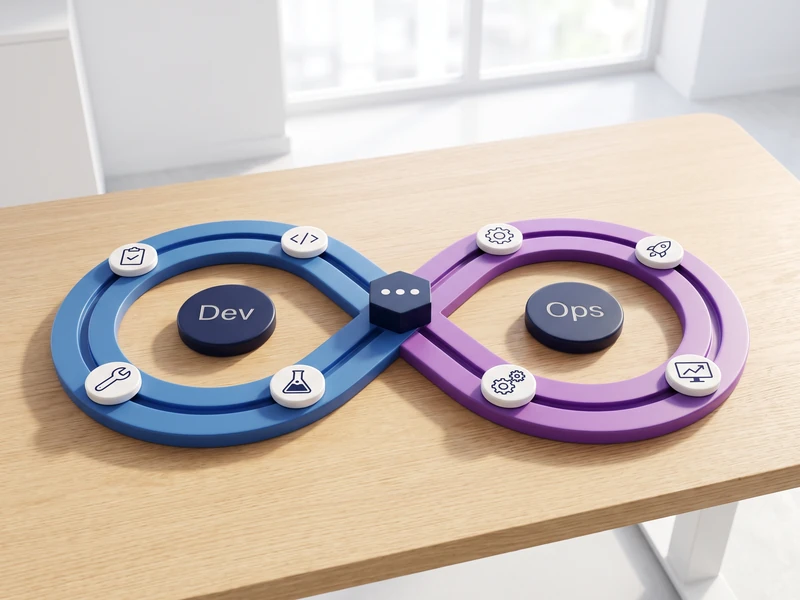

The apps you already run, brought up to a standard you did not think you could afford.

Most of this work starts with an app that has stopped keeping up, not with a specification. An update that broke something, a licence that climbs every year, a supplier portal somebody still logs into by hand, or the person who built it moving on. The first thing produced is not code: it is a verdict on each app, with the reason attached and the order to do them in.

That verdict is backed by work already done. A database whose connection string pointed at a server that no longer existed was traced, restored and moved with nothing lost. A dying website was rebuilt from the outside in until seven of its pages rendered pixel for pixel against the original. A business whose membership system nobody could change any more got a replacement with its live records migrated, then moved all six of its applications onto a host it controls when the cloud bill began firing early.

A small business can afford that standard because most of it is not built again. Domain knowledge, working method and the fixes found the hard way carry from one project to the next, and they are proven on this practice’s own business before a customer pays for them. What is genuinely new on a project is the part that is genuinely yours: the rules of your trade, your data, and the screens your people actually use.

Frequently Asked Questions

How much faster does agentic software engineering actually deliver?
Fast enough to change what is worth building at all. Two applications went from nothing to production in about three weeks each in June 2026, each with logins, automated tests and a safe release process in place. No multiplier is published here: the honest figure depends entirely on what already exists, and a number with no measurement behind it is worth nothing.
What is an agentic harness? I've never heard that term.
An agentic harness is the set of tools, rules, and memory that keep an AI coding assistant working like a disciplined engineer rather than a free-form chatbot. It defines what the AI can do, checks its work at every step, and stores project knowledge so the assistant improves over time. Think of it as the scaffolding around tools like Claude Code or GitHub Copilot that turns them into a reliable delivery partner.
Does this work with the systems we already have?
Yes, and that is the usual case rather than the exception. Whatever is already running keeps running: the work layers on top instead of demanding a rewrite. Connecting to the systems, the data and the hosting already in place is part of the setup rather than a later project, and nothing has to be replaced to start.
Do we have to commit to a single cloud provider?
No. What gets built is portable by design, so moving it between hosts is a configuration change rather than a rebuild. A large provider earns its place where its managed services are worth paying for; an independent European host wins where a predictable monthly bill matters more. The choice stays reversible.

What We Can Build For You

Systems already running for other businesses, ported to yours