Two Delivery Models, One Class Catalogue
Training comes in two shapes. Smaller organisations get a customized delivery built on business cases collected before anything is taught: a one-week survey of the tasks that recur every week, a scoring pass that ranks them for AI suitability, and a 90-minute workshop that selects the top five. The guides written afterwards teach the tool by finishing those five real tasks, so the first result is work that was already on the list. Organisations that want a named title book a specialist class from the catalogue instead.
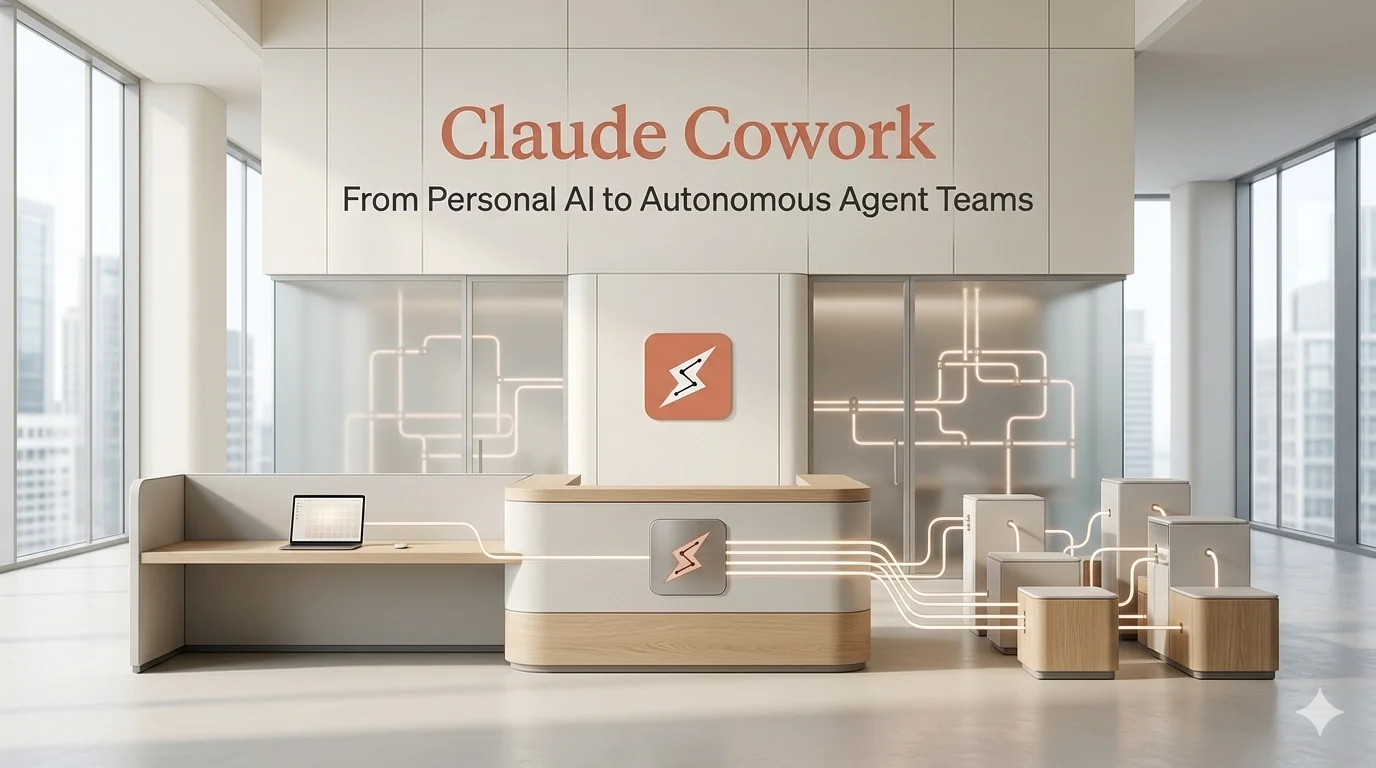
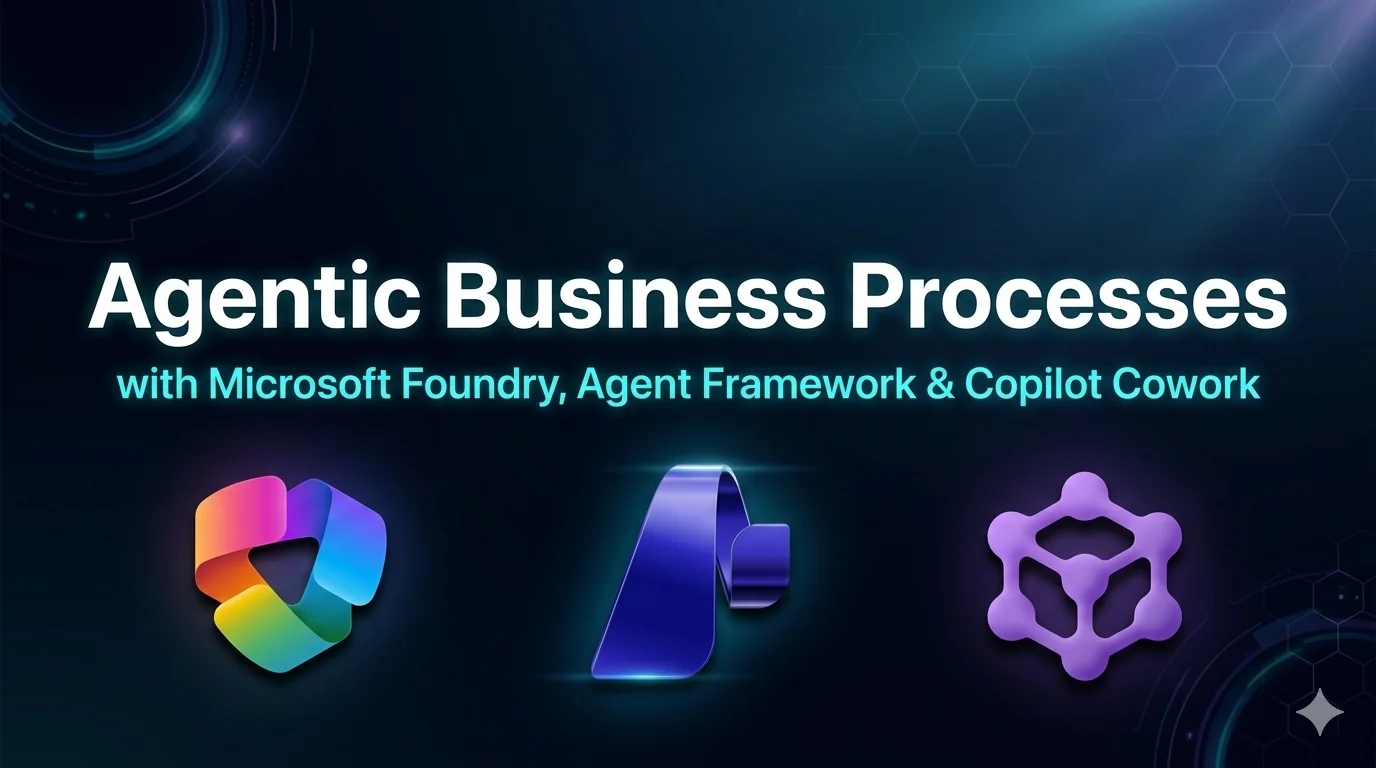
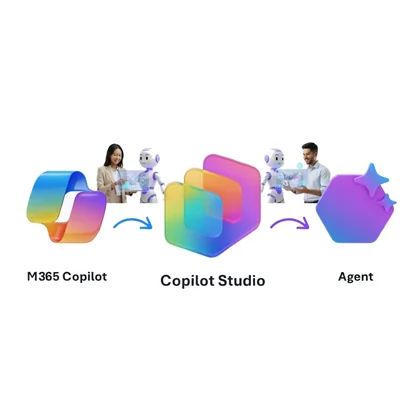
The commercial frame is the same across every title: a maximum of 12 participants, labs on GitHub Codespaces or a DevContainer so nothing has to be installed on corporate machines, and every class runnable privately in-house. The catalogue is ten titles deep and each one has a detail page below. Agentic software engineering runs on Claude Code or GitHub Copilot, the business-user track on Claude Cowork or Copilot Studio, and the architect track on Microsoft Foundry with the Microsoft Agent Framework.
Private delivery runs against the organisation’s own repositories, tenant and deployment targets. The harness configuration, skills, agents and pipelines written during the class stay in use afterwards, instead of a sample project the team has to translate on Monday.
Format follows the audience rather than the other way round. At the simple end, written teachings with hands-on labs worked through at the participant’s own pace. At the other end, fully agentic classes with generated video, avatar presenters, and an AI that watches each learner, spots where they went wrong, and corrects them on demand. Every format runs on the customer’s own scenarios.
Official Microsoft curriculum and Enterprise Skills Initiative classes are booked through a Learning Partner and delivered by a Microsoft Certified Trainer, certified since 2000, with thirty years on the Microsoft platform behind the material. That is where an existing training entitlement or an ESI budget can be spent. The material is licensable as well as deliverable: class repositories carry presenter scripts, generated decks and verified labs, so a customer’s own trainers can teach it under a written licence.